
Blog
Expert guides, industry insights, and metal knowledge from the Maverick Metals team.

The Future of Copper Demand: What Power, EV, and Renewables Growth Means for Industrial Buyers
Global copper demand is projected to rise 50% by 2040 as power grids, EVs, renewables, AI data centers, and defense programs scale simultaneously. Here's what procurement teams need to know now.
Read Full Article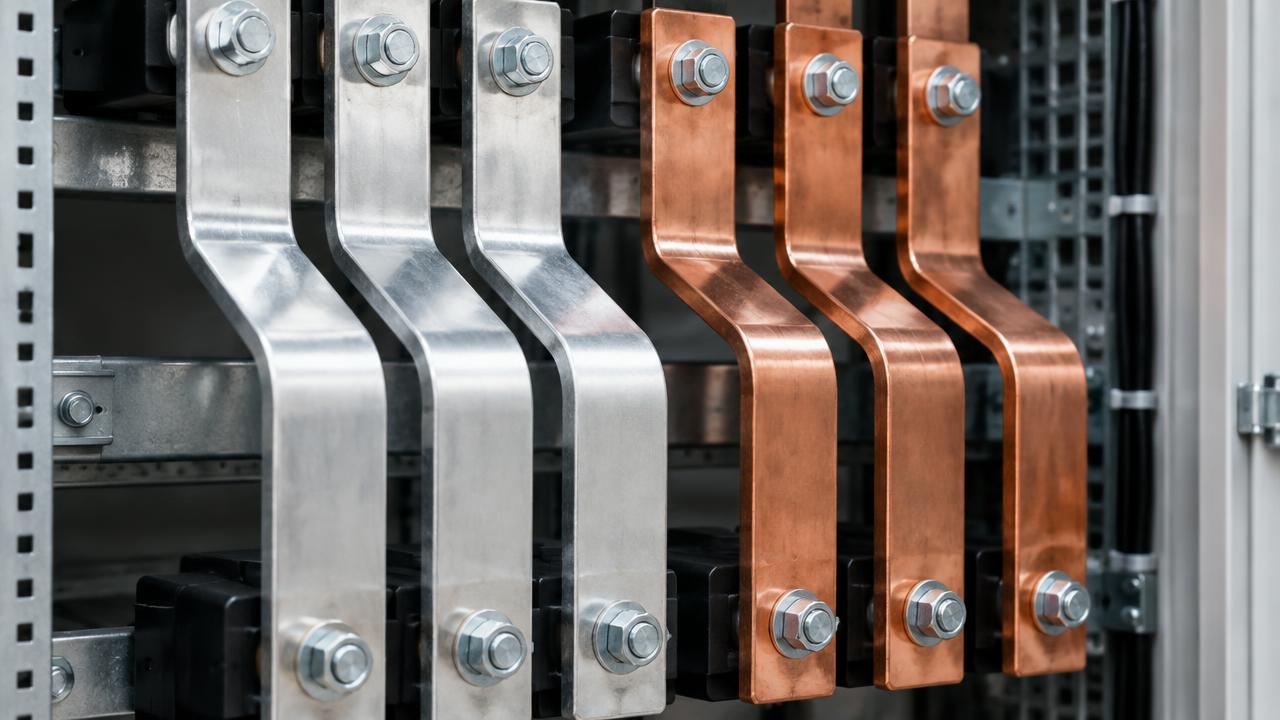
Tin-Plated vs. Bare Copper Bus Bar: When Plating Is Worth It
Tin plating protects copper bus bar from oxidation and stabilizes contact resistance — but it isn't always necessary. Learn when to specify tin, silver, or bare copper for your application.
Read More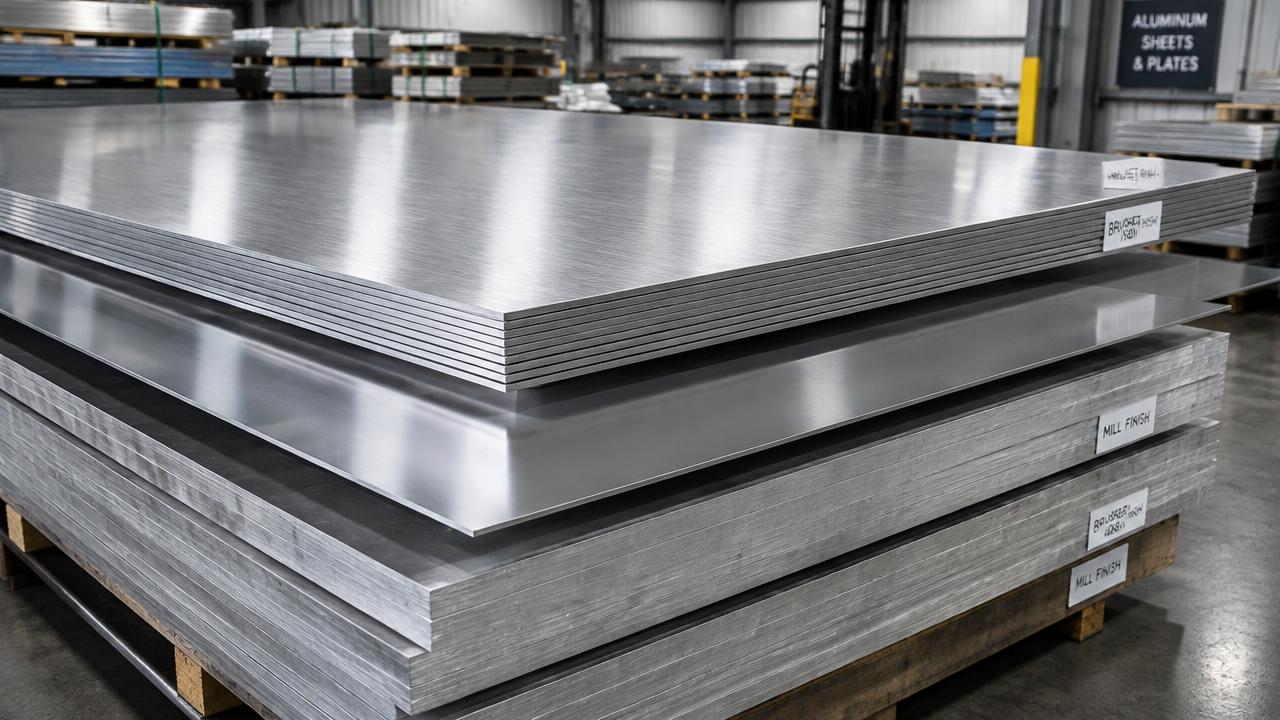
Aluminum Sheet Alloys Compared: 3003 vs. 5052 vs. 6061
3003, 5052, and 6061 are the three most common aluminum sheet alloys — but they behave very differently when formed, welded, or exposed to the elements. Here's how to choose.
Read More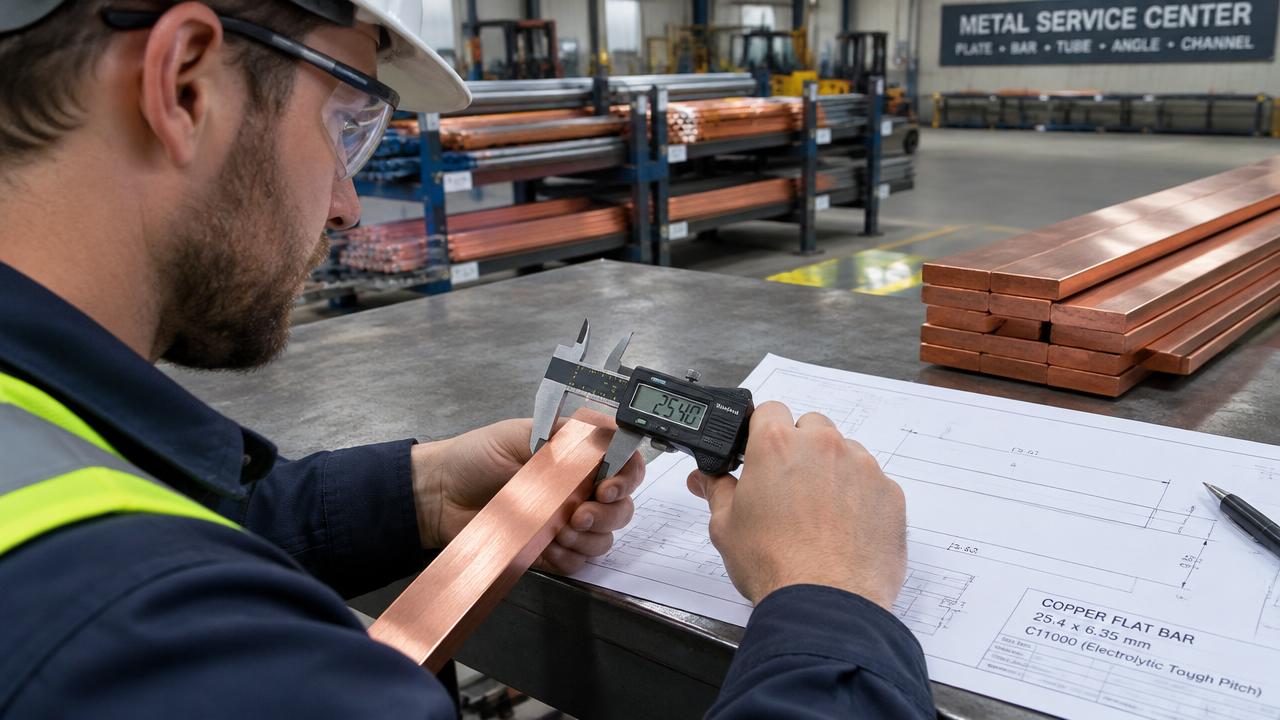
How to Write a Metal RFQ That Gets Accurate Quotes Fast: Tolerances, Certs, and Specs
Incomplete RFQs cause slow quotes, wrong material, and costly rework. Use this checklist to specify alloy, temper, dimensions, tolerances, certifications, and delivery so suppliers can quote accurately the first time.
Read More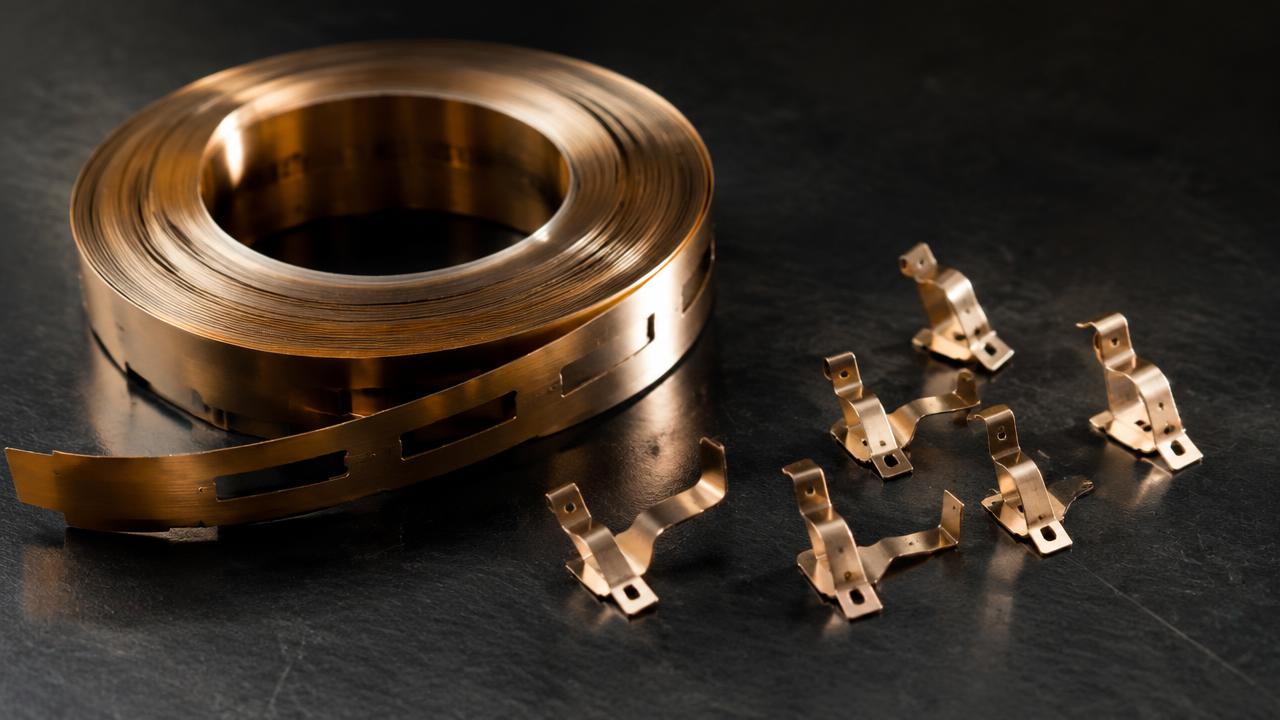
Phosphor Bronze C510 vs. C544: Choosing Alloys for Springs, Contacts, and Bushings
Phosphor bronze combines spring strength, fatigue resistance, and corrosion resistance. Compare C510 and C544 and learn which fits electrical contacts, springs, and machined bushings.
Read More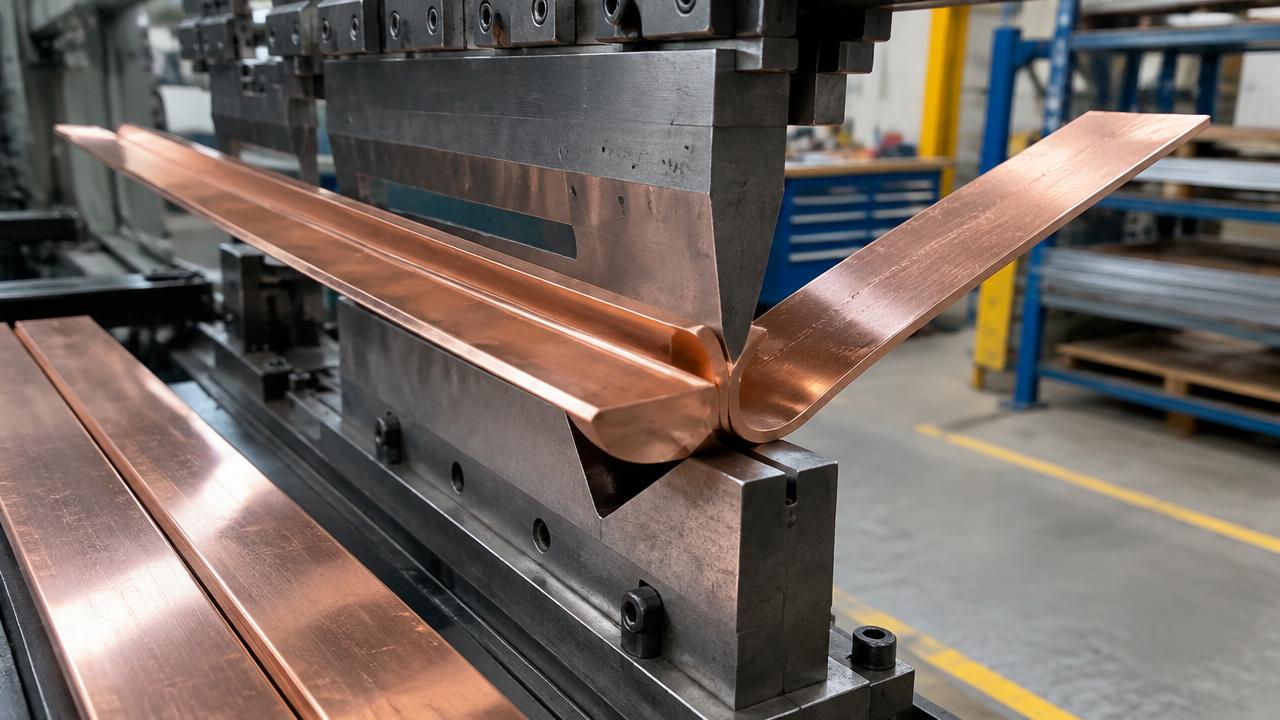
Copper Temper Designations Explained: O60, H00, H02, H04 and What They Mean for Fabrication
Ordering copper in the wrong temper can crack parts on the press brake or cause springback headaches. Here's a plain-English guide to ASTM B601 temper codes and how to choose the right one.
Read More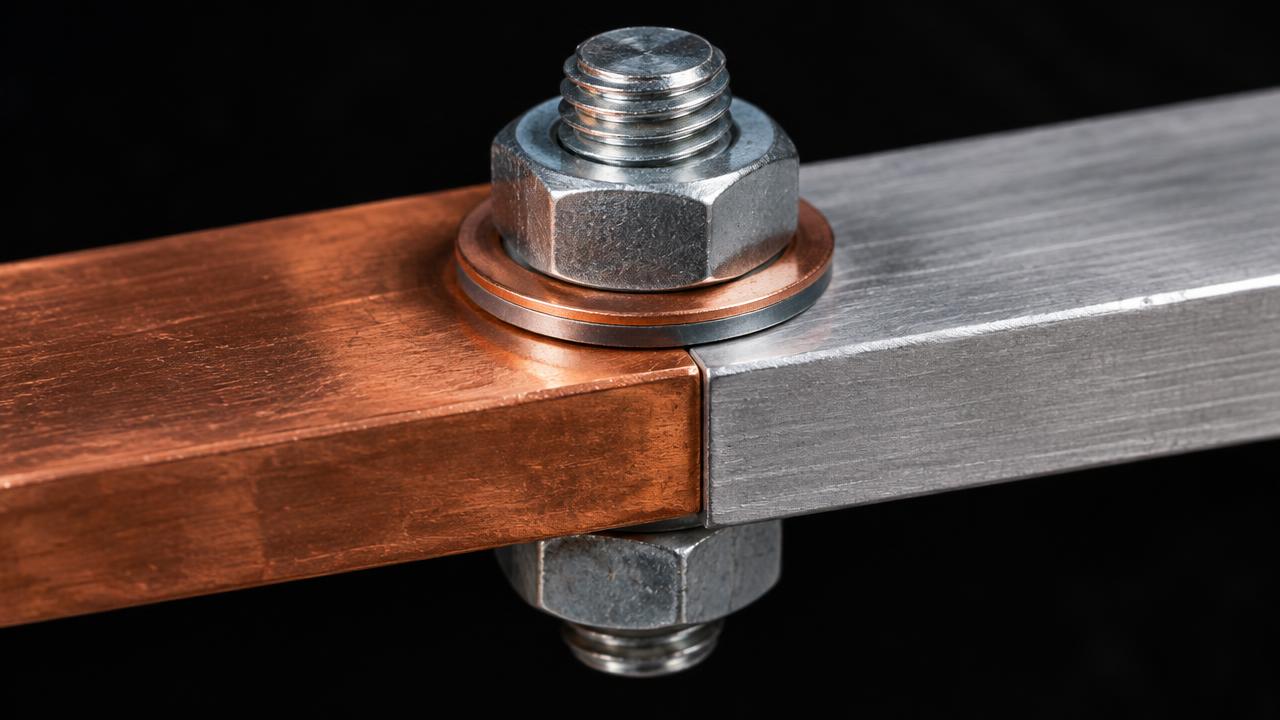
Joining Copper to Aluminum: How to Prevent Galvanic Corrosion at Bus Connections
Copper-to-aluminum transitions are unavoidable in modern power systems. Learn why these joints fail, and the plating, hardware, and assembly practices that keep them reliable for decades.
Read More
Copper and Aluminum in EV Charging Infrastructure: What Buyers Need to Know
DC fast chargers, depot charging, and grid upgrades are reshaping conductor demand. Learn where copper and aluminum are used across EV charging infrastructure and how to plan procurement.
Read More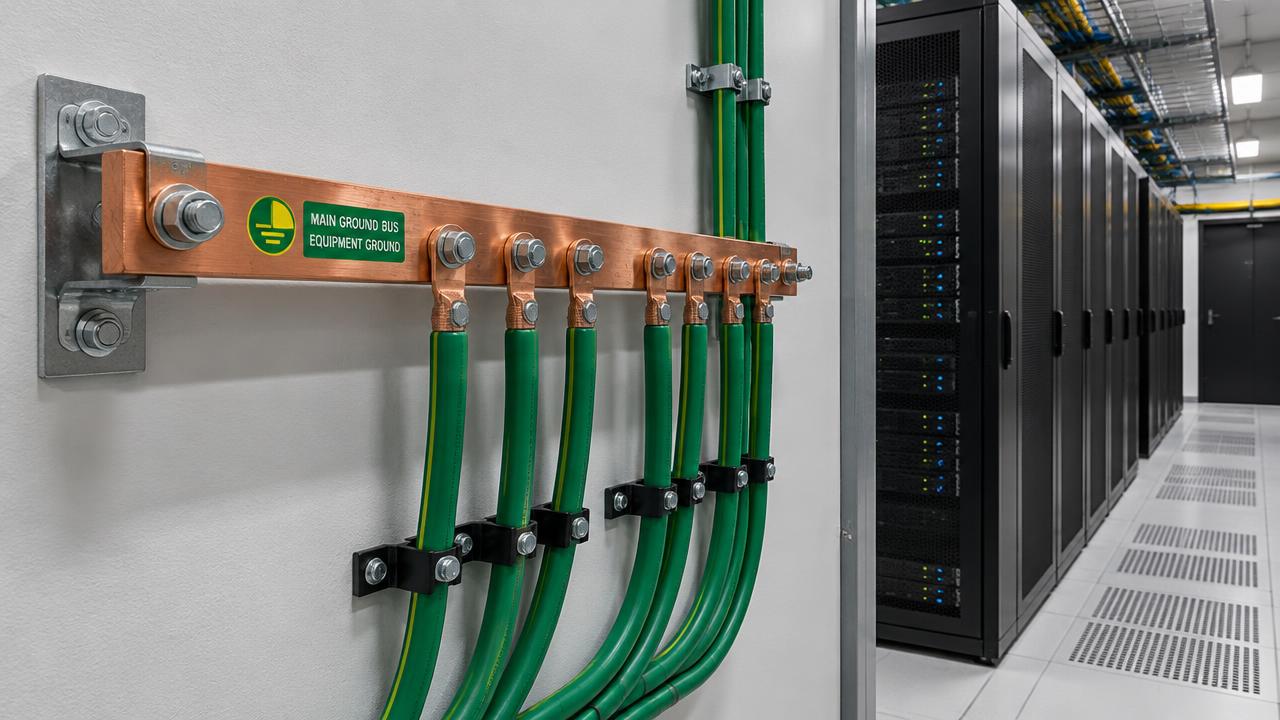
Copper Grounding and Bonding in Data Centers: Specifying the Right Bus Bar
Data center grounding systems depend on copper ground bars sized and installed to TIA-607 and NEC requirements. Here's how engineers and contractors specify copper for TMGB, TGB, and equipment bonding.
Read More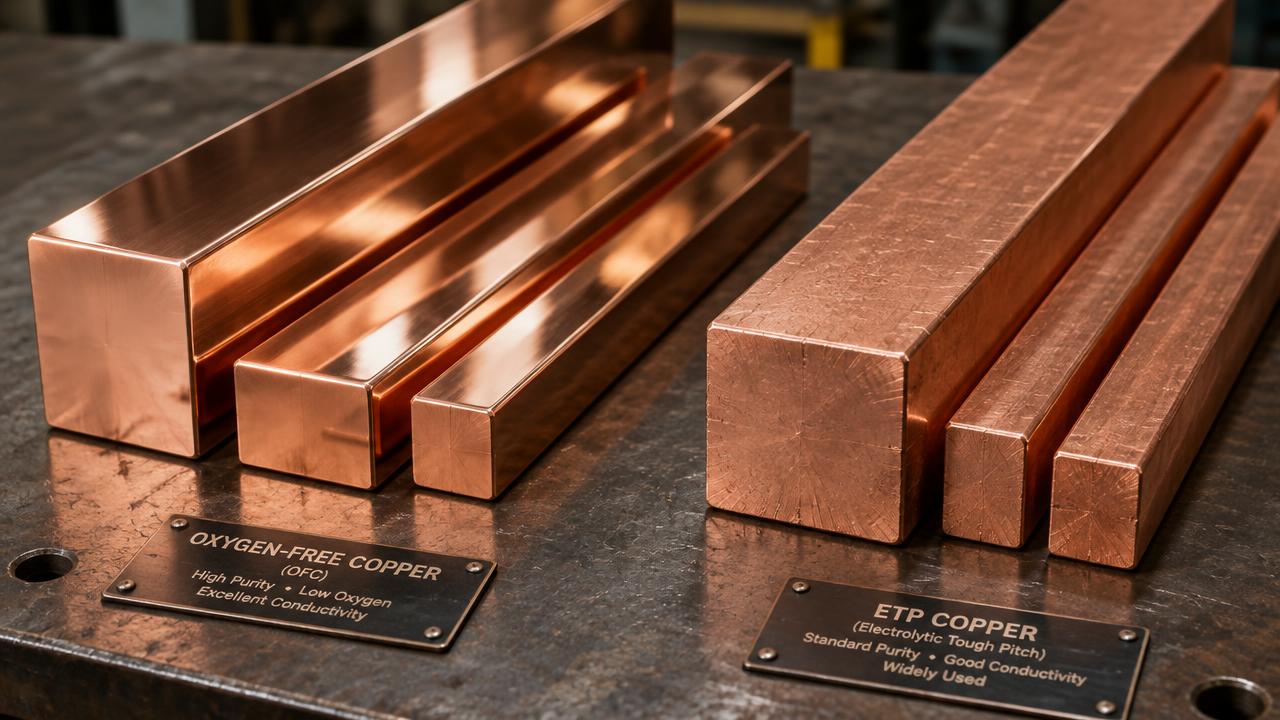
C101 vs. C110 Copper: When Oxygen-Free Copper Is Worth the Premium
C101 oxygen-free and C110 ETP copper look identical on a spec sheet's conductivity line. Learn where they differ — hydrogen embrittlement, brazing, vacuum service — and when the premium for C101 actually pays off.
Read More
Navigating Copper Price Volatility: A Procurement Strategy Guide
Copper price swings can wreck margins on fixed-price contracts. This guide breaks down what drives the volatility and the procurement tactics — indexing, hedging, and inventory strategy — that protect industrial buyers.
Read More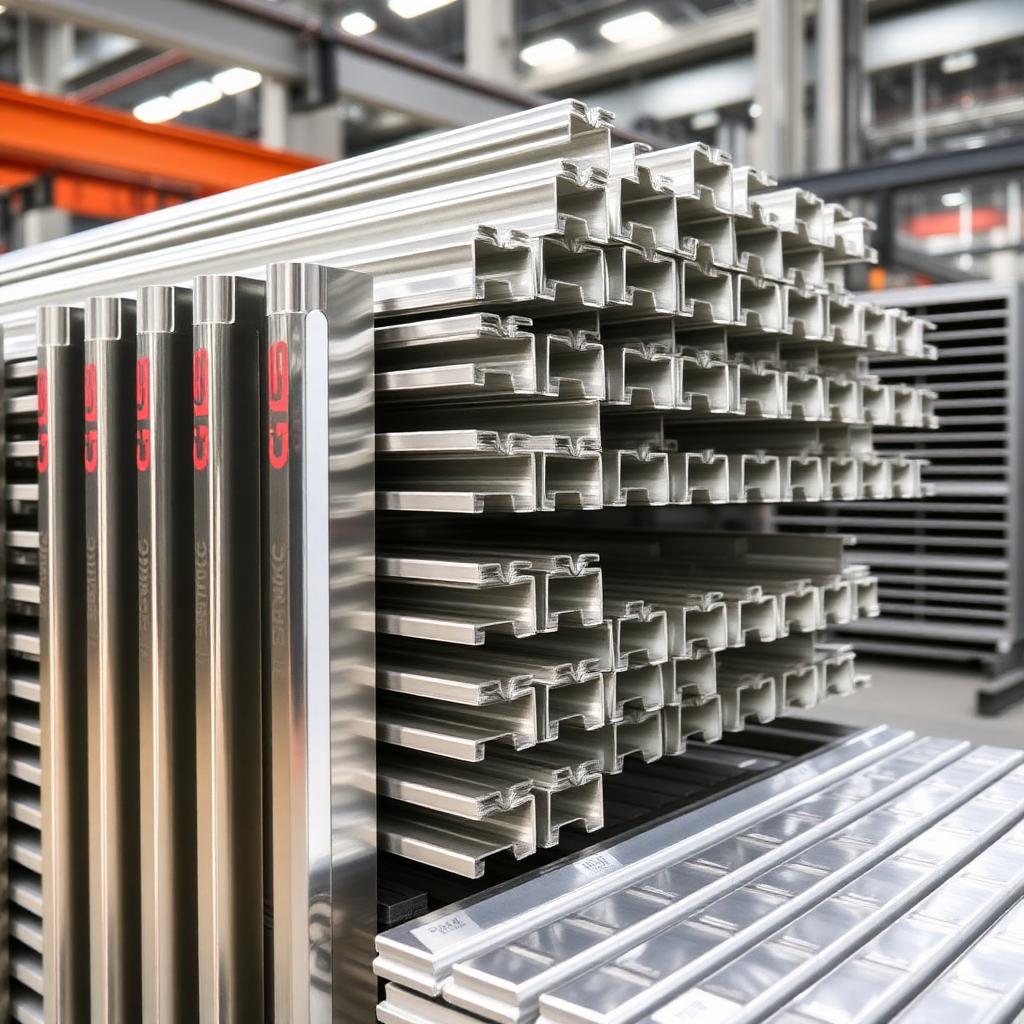
Aluminum Busbar Alloys: Why 6101 and 6063 Dominate Electrical Applications
When weight and cost matter, aluminum busbar is the conductor of choice — but only the right alloy and temper deliver the conductivity electrical equipment demands. Here's why 6101 and 6063 lead.
Read More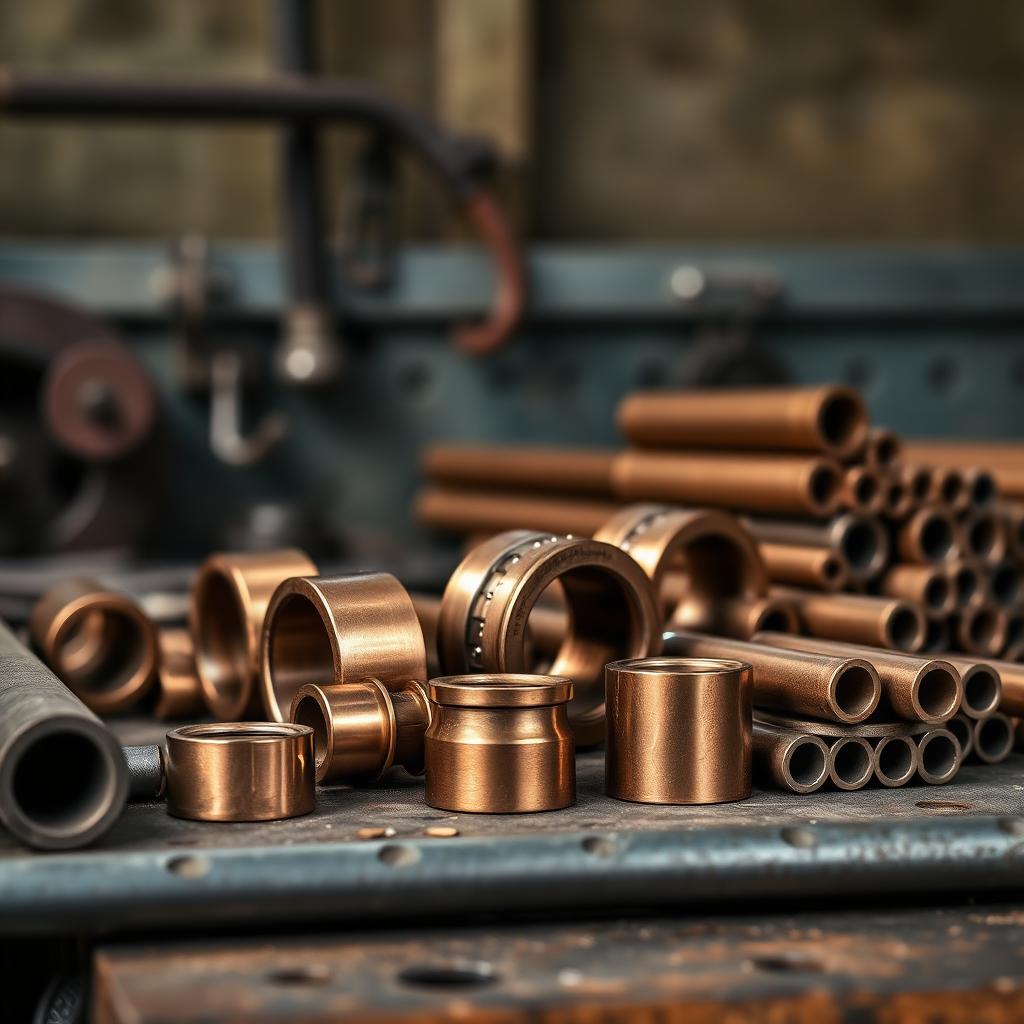
Bronze Bearing and Bushing Alloys: C932 vs. C954 for Wear Applications
Choosing between bearing bronze (C932) and aluminum bronze (C954) comes down to load, speed, lubrication, and corrosion. Here's how to specify the right bronze for wear-critical parts.
Read More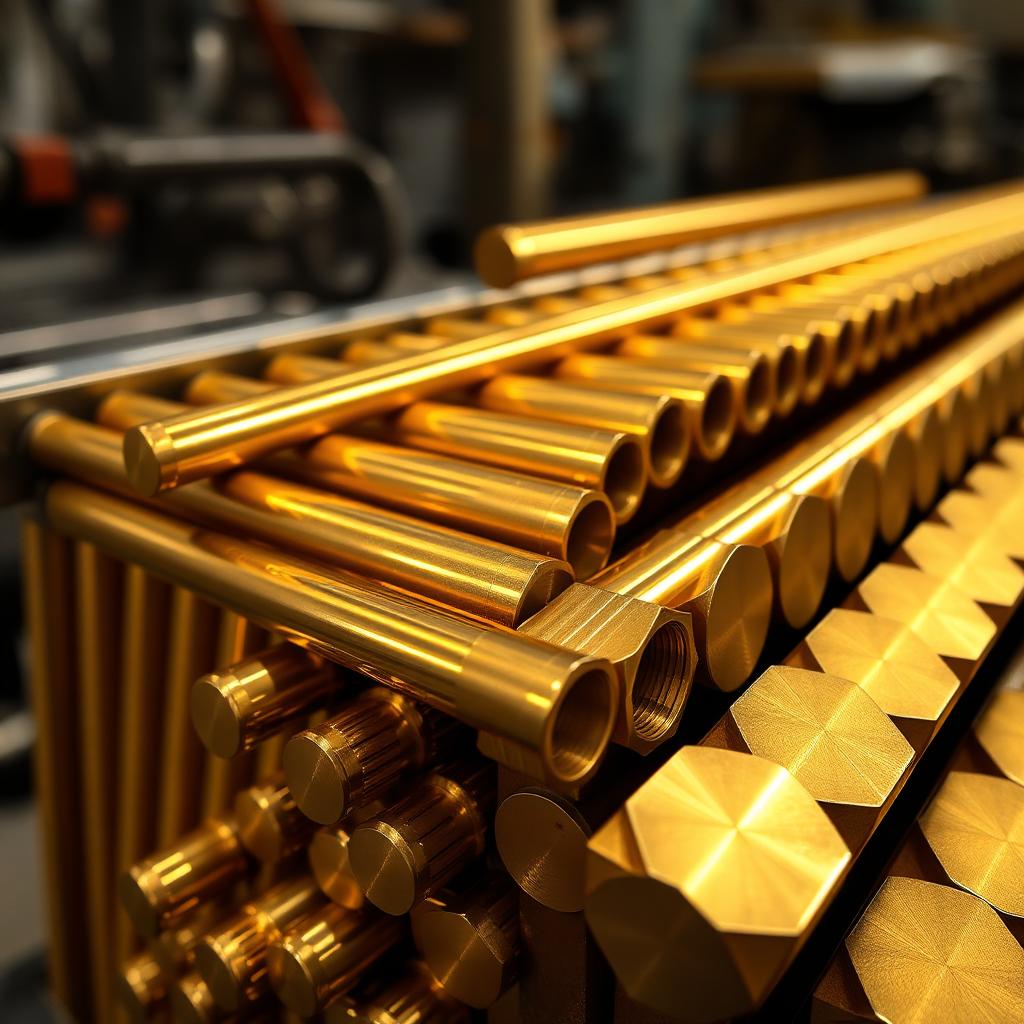
Brass Alloy Selection: C360, C260, and C464 for Industrial Applications
Brass is not a single material — it is a family of copper-zinc alloys with sharply different machinability, strength, and corrosion behavior. Here's how to specify C360, C260, and C464 correctly.
Read More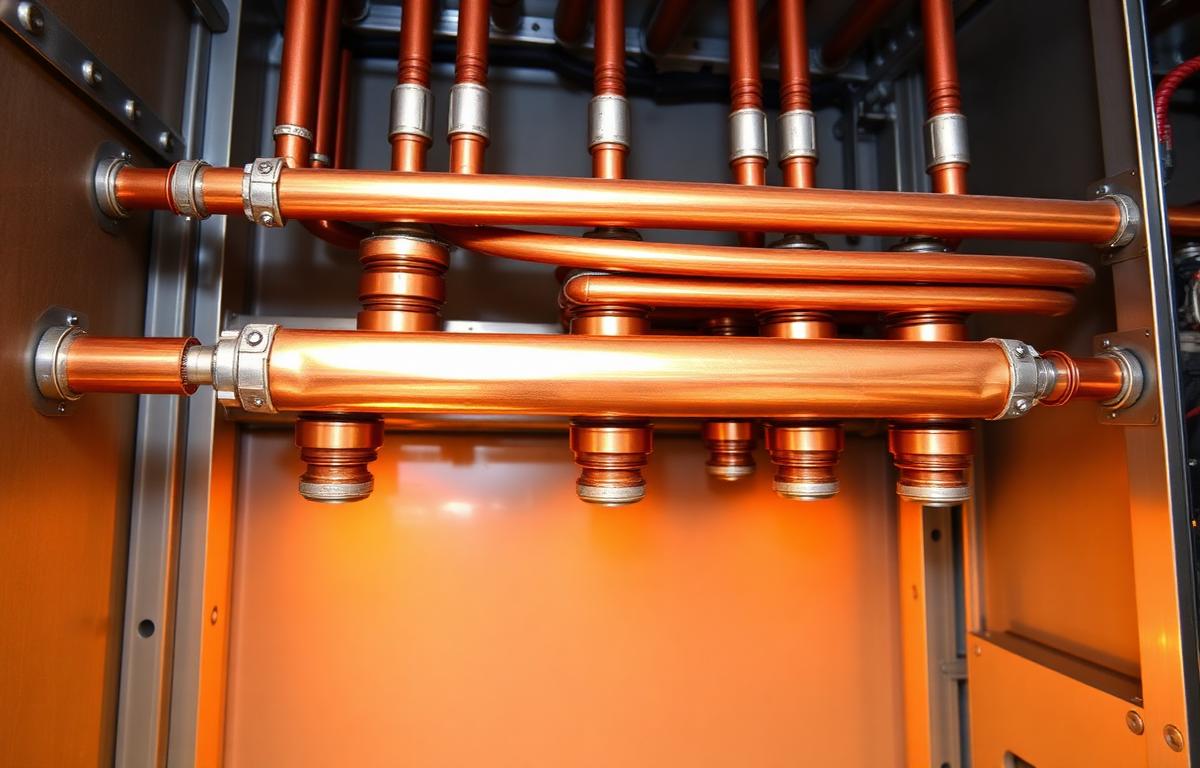
How Copper Bus Bar Is Used in Substation Design and Why Grade Matters
Substation bus design sits at the intersection of thermal management, mechanical loading, fault current physics, and long-term reliability. Learn why copper grade selection at the specification phase has direct engineering consequences.
Read More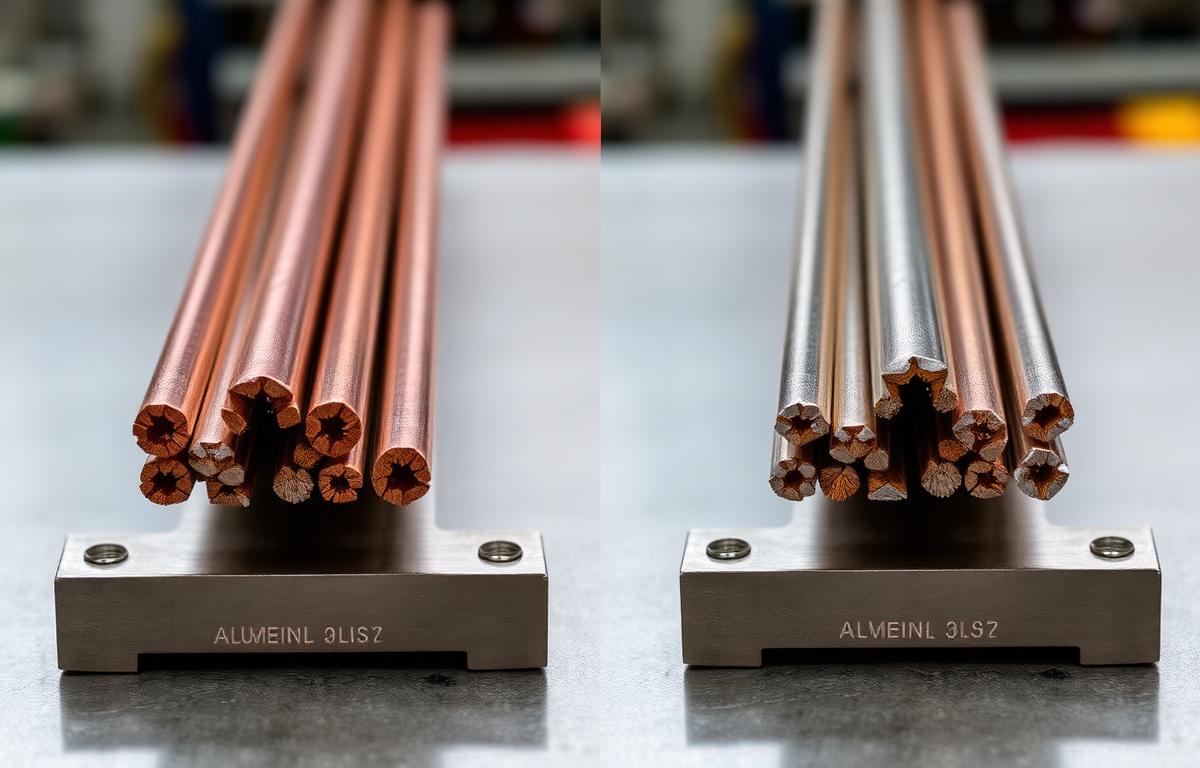
Copper vs. Aluminum Bus Bar in Power Distribution: A Practical Engineering Comparison
The copper-versus-aluminum question is one of the most consequential material decisions in power distribution design. This article provides an engineering-grounded comparison across the parameters that actually determine performance.
Read More
How to Source Copper for Switchgear and Switchboard Assemblies at Scale
Switchgear manufacturing imposes sourcing requirements categorically different from general industrial metal procurement. Learn the sourcing framework for scaling copper supply with proper traceability and quality documentation.
Read More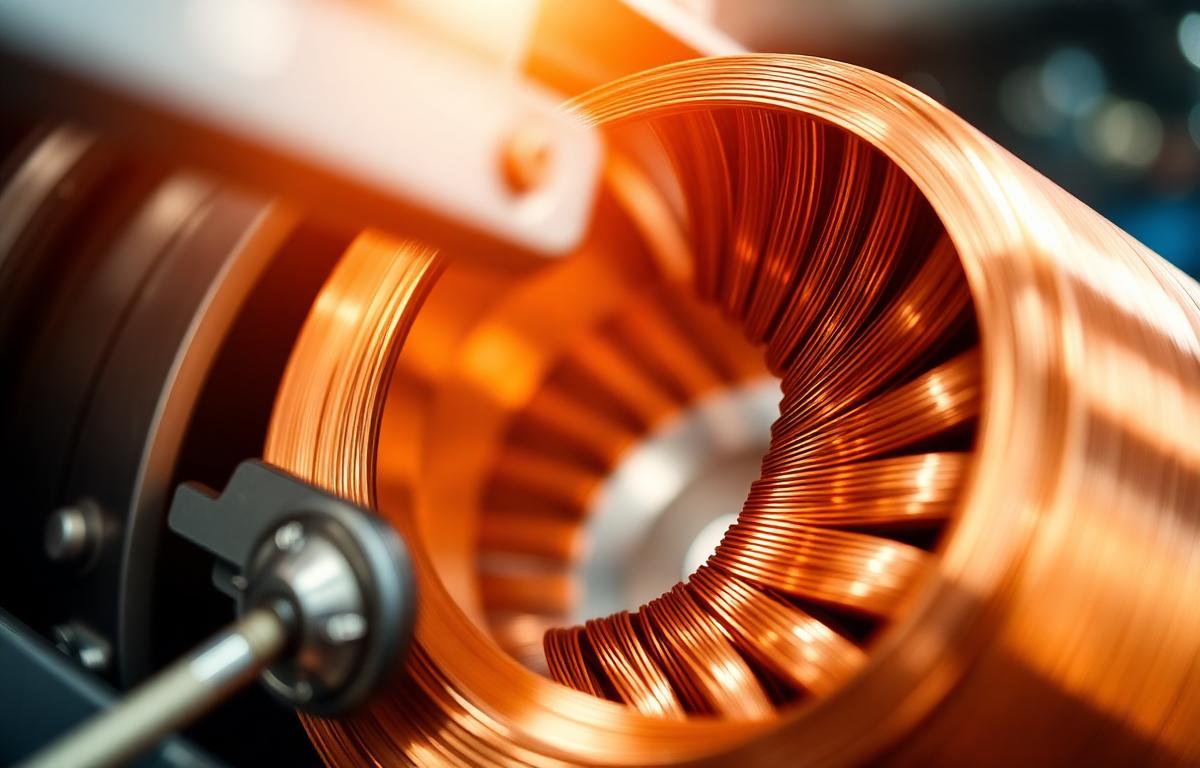
The Role of High-Conductivity Copper in Transformer Manufacturing
Transformer manufacturing is one of the most conductivity-sensitive applications in the electrical industry. Learn how copper grade, form, and dimensional precision drive transformer performance and efficiency.
Read More